Sometimes You Just Need a Straight Answer
Not every question needs a ten-card deep dive. Sometimes you’re standing in the grocery store wondering “should I text them first?” and you need a one-word answer. That’s what yes or no tarot is for.
One card. One question. Yes, no, or maybe. Done.
I use yes-or-no pulls more than any other type of reading. They’re fast, they’re surprisingly accurate when you ask the right way, and they cut through the overthinking that keeps you stuck.
Which Cards Mean Yes, No, or Maybe
Every card in the 78-card deck leans one direction. This isn’t arbitrary — it’s based on the card’s traditional energy. Joyful cards say yes. Painful cards say no. Ambiguous cards say maybe.
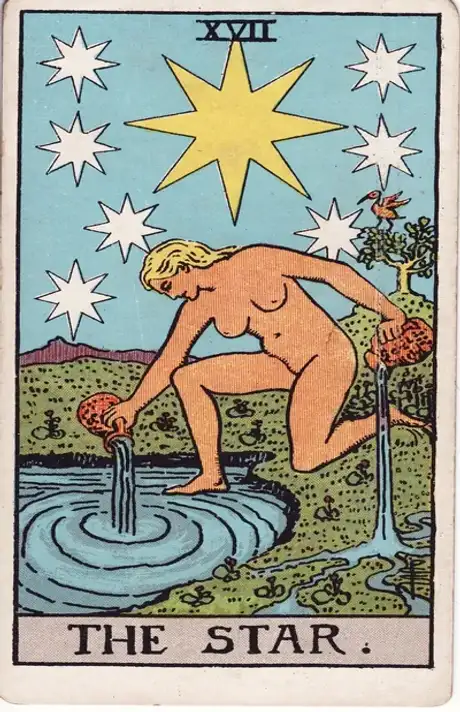
Strong yes cards: The Sun, The Star, Ace of Cups, Ace of Wands, Six of Wands, Ten of Cups, The World, Four of Wands, Nine of Cups, The Empress.
These cards are unambiguously positive. If The Sun shows up for your question, that’s about as clear a yes as tarot gets.
Strong no cards: The Tower, Ten of Swords, Five of Cups, Three of Swords, Five of Swords, Nine of Swords, The Devil, Eight of Swords.
Not “bad” cards — but cards that say “this isn’t the move” or “not right now.” The Tower doesn’t mean your life is ruined. It means the answer to your specific question is no.
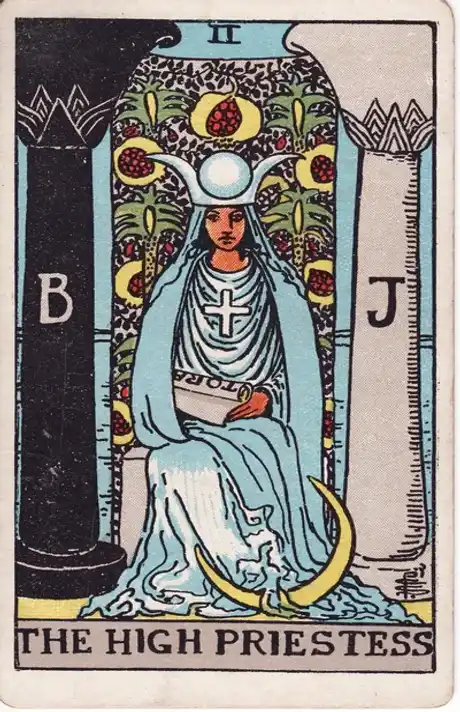
Maybe cards: The High Priestess, Two of Swords, Wheel of Fortune, The Hanged Man, Temperance, The Moon, Seven of Cups.
These cards refuse to commit. And that’s an answer too. “Maybe” usually means “you don’t have enough information yet” or “the timing isn’t right to decide.”
The Art of Asking Good Questions
This is where most people mess up. The card you pull is only as useful as the question you asked.
Bad question: “Will I be happy?” Too vague. Happy when? About what? The card can’t answer something that broad.
Good question: “Should I accept the offer from Company X?” Specific. Binary. Answerable.
Bad question: “What does my future hold?” That’s not a yes-or-no question. That’s a therapy session.
Good question: “Is now a good time to bring up the conversation about moving in together?” Specific situation. Clear timeframe. The card can work with this.
Bad question: “Will they come back to me?” You’re asking about someone else’s free will. Tarot can’t override another person’s choices.
Good question: “Would reaching out to them serve my highest good right now?” Same underlying desire, but framed around YOUR action and YOUR wellbeing. Much better.
My Honest Take on Accuracy
Yes-or-no tarot is accurate in the way a compass is accurate. It points you in a direction. It doesn’t give you turn-by-turn GPS navigation.
I’ve had pulls that were dead-on. Asked “should I go to this networking event?” Got the Three of Pentacles (collaboration, skilled work). Went. Met someone who became a long-term collaborator. The card didn’t say “you’ll meet Sarah at 7:45pm.” It said “yes, go — there’s productive energy there.”
I’ve also had pulls that seemed wrong in the moment but made sense later. Got a no for something I really wanted. Ignored it. Went ahead anyway. Regretted it within two weeks. The card wasn’t wrong — I just wasn’t ready to hear it.
What to Do When You Get “Maybe”
A maybe card frustrates people. They want certainty. But maybe is genuinely useful information.
It usually means one of three things:
- You’re not ready to decide yet. More information is coming. Wait.
- The situation is still forming. It could go either way depending on what happens next.
- You’re asking the wrong question. The real question is something else entirely. Sit with it and figure out what you actually want to know.
If I get a maybe and I’m impatient, I’ll rephrase the question and pull again the next day. Not immediately — that’s just fishing for the answer you want.
The One Rule I Never Break
One question, one card. That’s it.
Don’t pull a second card “for clarification.” Don’t pull a third because the first two “contradicted each other.” The first card is your answer. If you don’t like it, that discomfort IS the reading. It’s telling you something about what you already know but don’t want to face.
I’ve watched people pull seven cards trying to get a yes after the first card clearly said no. By card seven they’re confused, anxious, and further from clarity than when they started.
Pull one card. Read it. Accept it. Move on.
Reversed Cards in Yes-or-No
When a card shows up upside-down, the energy shifts:
A yes card reversed becomes a weak yes or a “yes, but…” The Sun reversed doesn’t become a no. It becomes “yes, but there’s a delay” or “yes, but you need to find your confidence first.”
A no card reversed softens. The Five of Swords reversed isn’t a hard no anymore — it’s more like “the conflict is resolving, give it time.”
A maybe card reversed usually leans toward no. The already-uncertain energy becomes more blocked.
When to Use Yes-or-No vs. a Bigger Spread
Use yes-or-no for:
- Daily micro-decisions
- Gut-check confirmations
- Simple binary choices
- When you already know the situation and just need a nudge
Use a three card spread when:
- You want to understand WHY, not just yes or no
- The situation has a past-present-future arc
- You need context, not just direction
Use the Celtic Cross when:
- Multiple people are involved
- The situation is genuinely complex
- You’ve been stuck on this for weeks and need the full picture
Pull a Card
Got a question? Ask it here. Pick a card from the spread, get your yes-or-no answer, and read the interpretation for context on why the card leans that way.
Keep it specific. Keep it honest. And trust the first card you pull.